
Buying a shipping container in Aotearoa is a big decision, whether you need extra storage, a site office, or a secure space down on the Kiwi farm. Get it right, and you have a tough, weatherproof box that can last for decades. Get it wrong, and you are stuck with the wrong size, an eroded floor, or a container the truck cannot even deliver. Here are eight things worth knowing before you buy.
1. Pick the right size: 20ft or 40ft
Most buyers in New Zealand choose one of two sizes. A 20ft container gives you around 33-38 cubic metres of space, which suits home storage, tight sites, and smaller jobs. A 40ft container doubles that to roughly 67-76 cubic metres, ideal for bigger storage needs, business stock, or gear that takes up length.
Think about your space before you buy. A 20ft container fits on most industrial or residential sites and is easier to place. A 40ft container needs a long, clear run for both the container and the full-sized swinglift truck delivering it. If you are unsure, measure your site first and work backwards from there.
2. Decide between new and used
A new container, often called one-trip-only, has made a single journey from the factory and looks close to pristine. It costs more but gives you clean lines, solid paint, and a floor with no history. A used container costs less and does the same storage job, though it will show wear like surface rust, dents, and faded paint.
If looks matter, or the container will sit somewhere visible, a one-trip container is worth the extra. If it is going behind a shed to hold tools, a good used container saves you money and works nearly as well.
3. Understand container grades
One-trip-only (OTO): as new, made a single voyage, minimal wear. The premium option.
Cargo-worthy: certified fit for shipping and should have a current CSC plate (can go on a ship). Structurally sound, wind and watertight, some cosmetic wear. A reliable middle ground option.
Wind and watertight (WWT): no longer certified for shipping, but sealed against the weather. Fine for storage, and usually the cheapest option. A bit of a dunger.
Match the grade to the job. You don’t need a one-trip container to store hay or garden tools, and you shouldn’t buy a basic WWT box if you plan to ship goods overseas in it.
4. Inspect before you buy (if you need to be sure)
A container can look fine from a distance and still hide problems. Check the outside for rust, dents, and any rushed-looking repairs. Open and close both doors to make sure they swing freely and seal properly. Step inside, shut the doors, and look for daylight. If you see light, water will get in too.
Check the floor for soft spots, warping, or lingering smells from previous cargo. If you cannot inspect the container in person, ask the seller for clear, recent photos of the actual unit, not a stock image. A reputable seller like Container Transport will happily provide them.
5. Be clear on what you will use it for
How you plan to use the container shapes every other choice. Dry storage at home has different needs from a container holding tools on a worksite or stock for a business. If you need to get big items in and out often, think about access before you buy, since a standard container only opens at one end.
Knowing your use also helps you avoid overspending. A simple storage job doesn’t need a top-grade container, while goods you care about deserve something watertight and secure.
6. Plan for delivery and site access
This is where many buyers get caught out. A container is heavy and awkward, and the delivery truck needs room to manoeuvre. At Container Transport, we deliver using two main methods, and the right one depends on your site.
Hiab truck: a truck with a crane arm that lifts the container over fences and minor obstacles, then places it with precision. Good for sites where the truck cannot get right alongside the drop spot.
Swinglift truck: a truck that lifts the container off the side of the trailer and lowers it neatly beside the truck. Ideal when the container’s gross weight is over 6000 kg, and there is a firm, level, clear run alongside the placement area.
Before delivery, clear the path, check for low branches and power lines, and make sure the ground is firm enough to take the weight. A wet, soft, or sloping site can stop a delivery on the day, so talk to us first if you are not sure your access will work.
7. Know what drives the price
The price of a shipping container isn’t just the box itself. Size, grade, and condition are the big factors, but delivery distance matters too. The further you are from the depot, the more the freight adds up. Market conditions also move container prices up and down, much like any imported good.
When you compare quotes, check what each one includes. A cheap container price can look less attractive once you add delivery, so consider asking for the delivered price to your site rather than the yard price alone.
8. Check your local council rules before you place it
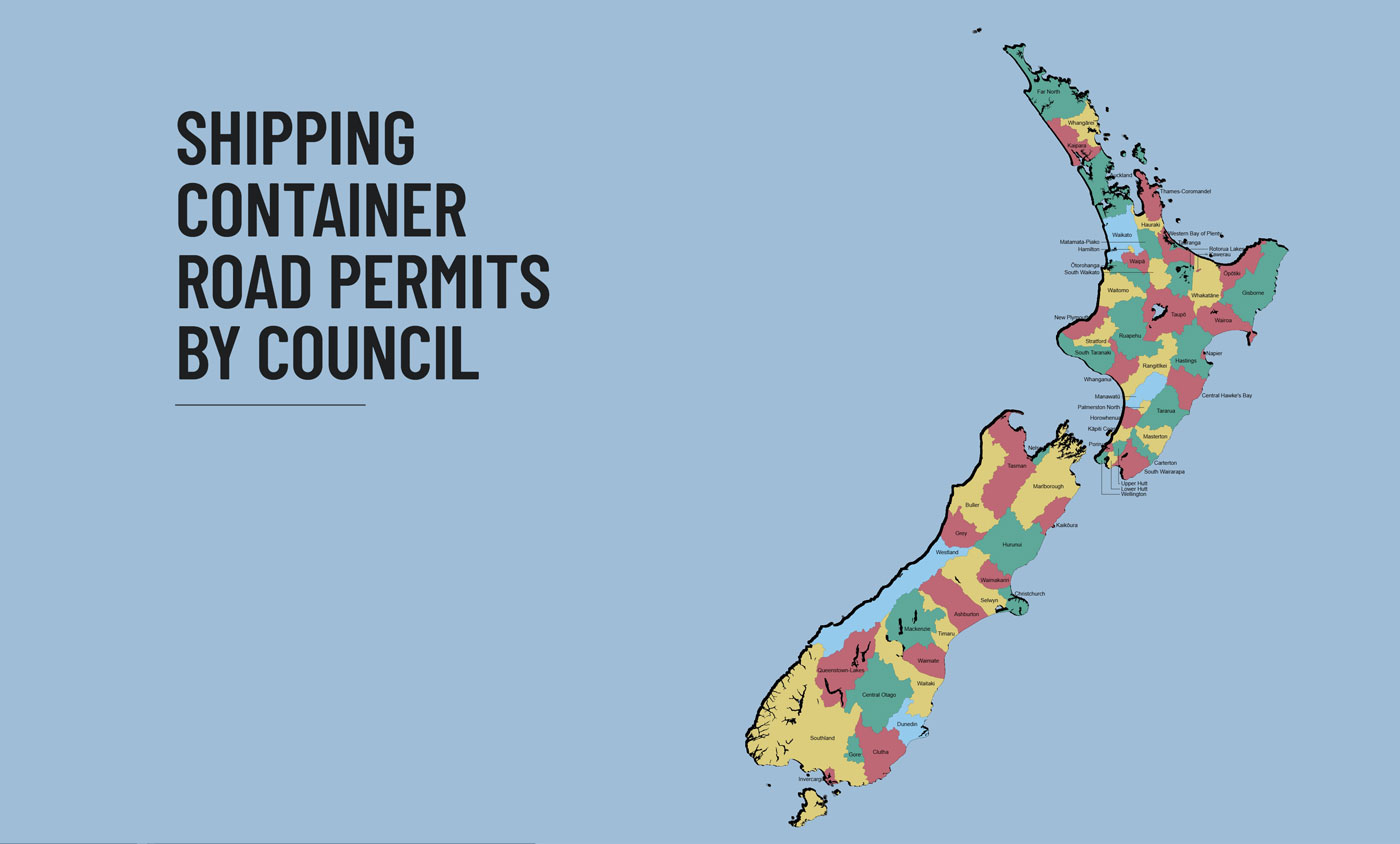
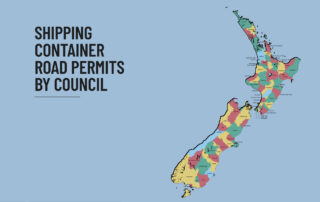
New Zealand has no single national rule for placing a shipping container on your land. Instead, each council works under its own district plan, within the framework of the Resource Management Act (RMA), the Building Act 2004 etc. That means the rules in Auckland, Wellington, Christchurch and Eketahuna can all differ.
For short-term storage, many councils allow a container as a permitted activity, provided it stays under a size threshold, sits within boundary setbacks, and has no permanent plumbing or wiring. Residential setbacks often require the container to sit 1.5 to 2 metres from side and rear boundaries. If you place it closer, add power or plumbing, or leave it long term, you may need resource consent or building consent.
The safest move is simple. Check with your local council before your container arrives, not after. A quick call can save you a costly notice to move it later.
Ready to buy a shipping container?
To be frank, most of the time the best advice we can give you is to Rent rather than Buy a container. You can see our reasoning here.
Container Transport sells new and used containers across New Zealand, and we handle delivery to your site with the right truck for the job. We can even load and unload. Tell us your size, grade, and location, and we will sort the rest. Get a quote today and buy your container with one call, door to door.